Kazakhstan is parting ways with Shell and Eni
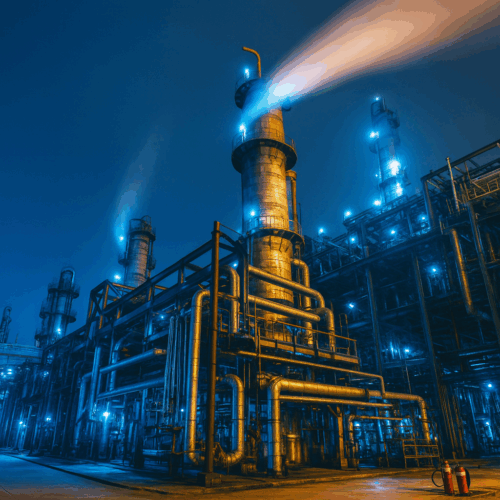
Kazakhstan is pulling the plug on its dispute with international energy companies: The government has excluded Shell and Eni from a key gas project. The focus is on the massive Karachaganak field—one of the world’s most significant gas reserves.
The state-owned project company PSA cited rising costs, lack of economic viability, and disagreements over the project structure as reasons for the decision. From the authorities’ perspective, continuing the project in its current form is “not feasible.”
Going forward, Kazakhstan intends to drive the project forward on its own. The goal is to complete the planned gas processing plant and thereby strengthen its own energy security. The plant is expected to process up to four billion cubic meters of gas annually. Until now, the raw gas has been transported to Orenburg, Russia, for further processing—a system that has recently proven to be vulnerable.
The timeline for the plant had already been delayed. Completion was originally scheduled for much earlier. At the same time, external disruptions increased the pressure to reduce dependence on foreign infrastructure. The decision thus also marks a strategic realignment: greater control over key energy projects is intended to ensure the stability of supply in the long term.
Background: Unresolved Differences
Tensions have long existed between Kazakhstan and the consortium led by Shell and Eni. At the heart of the matter are issues of cost allocation and economic participation. An arbitration proceeding had recently strengthened Kazakhstan’s position. Even though the proceeding is not yet finally concluded, it is likely to have significantly influenced the negotiations.
This move demonstrates how the balance of power in energy policy is shifting. Countries with vast resources are increasingly prioritizing greater autonomy—especially when it comes to strategic projects. For Kazakhstan, the Karachaganak field is of central importance in this regard. Control over processing and exports is likely to take on even greater significance in the future.