Serbia does not intend to block the sale of Gazprom's stake in NIS
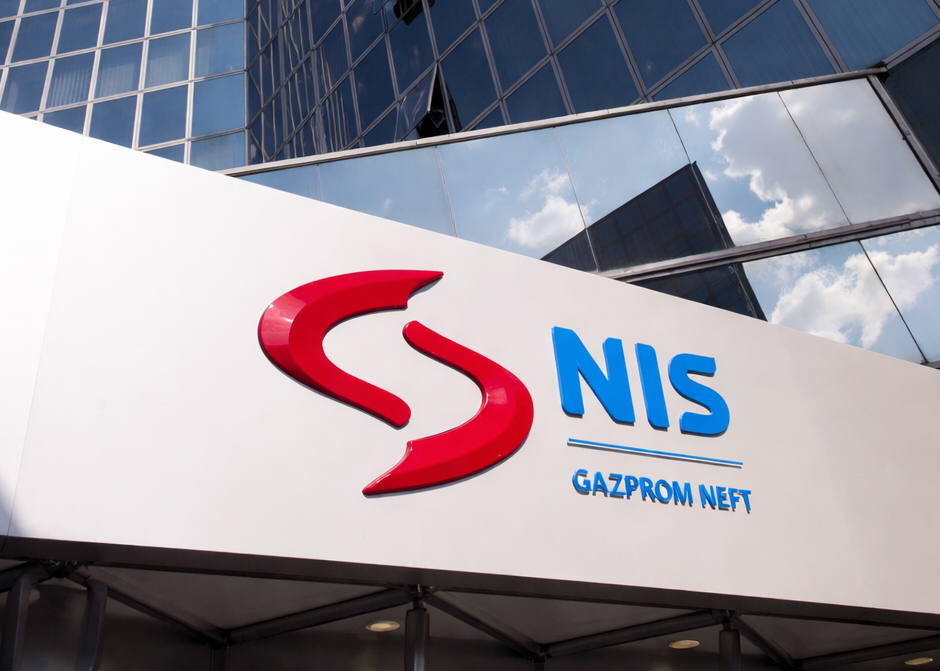
Serbia will not stand in the way of the planned sale of Russia’s majority stake in the oil company NIS. This was stated by Energy Minister Dubravka Đedović Handanović on June 9, as negotiations between Gazprom and the Hungarian energy company MOL enter a decisive phase under pressure from a deadline set by the U.S.
Talks on the sale of the Russian shares are “progressing well,” the minister said, according to a statement from the Serbian government. Most of the key issues have already been resolved; now the buyer and seller must finalize the terms.
“Serbia is not and will not be an obstacle to the transaction,” said Đedović Handanović.
The Office of Foreign Assets Control (OFAC) of the U.S. Department of the Treasury has extended the deadline for concluding the negotiations until June 16. Until that date, NIS also holds a provisional license to continue its business operations.
Gazprom and Gazprom Neft, which together hold about 56% of the shares in NIS, have been under pressure to sell their stakes since Washington imposed sanctions in October 2025. The measures led at times to uncertainty surrounding the operation of the Pančevo refinery, which covers about 80% of Serbia’s fuel needs. This weighed on the country’s industrial production during the winter months.
According to the minister, the parties have little time left to conclude the negotiations. The final transaction also requires approval from U.S. authorities.
“There isn’t much time left, but all parties involved are trying to protect their respective interests,” she explained.
Despite the sanctions, Serbia has so far been able to ensure fuel supply security and the continuous operation of the refinery.
At the same time, Belgrade is holding talks with the United States to find a long-term solution for the future of NIS that is acceptable to all parties, the minister added.
In addition, Đedović Handanović stated that Serbia had invited U.S. companies to express their interest in the planned Đerdap 3 pumped-storage power plant. The project, which has been under discussion for years, could reach a capacity of 1,200 to 2,400 megawatts, depending on the phase of development.
The project is part of the Strategic Energy Partnership Agreement signed by Serbia and the United States in March 2025.
At the same time, Serbia is in the early stages of developing a civilian nuclear energy program. A decision on the future technology is not expected to be made for at least another year.
“These are decisions that will have an impact for the next 40 to 50 years and require long-term strategic planning,” the minister emphasized.